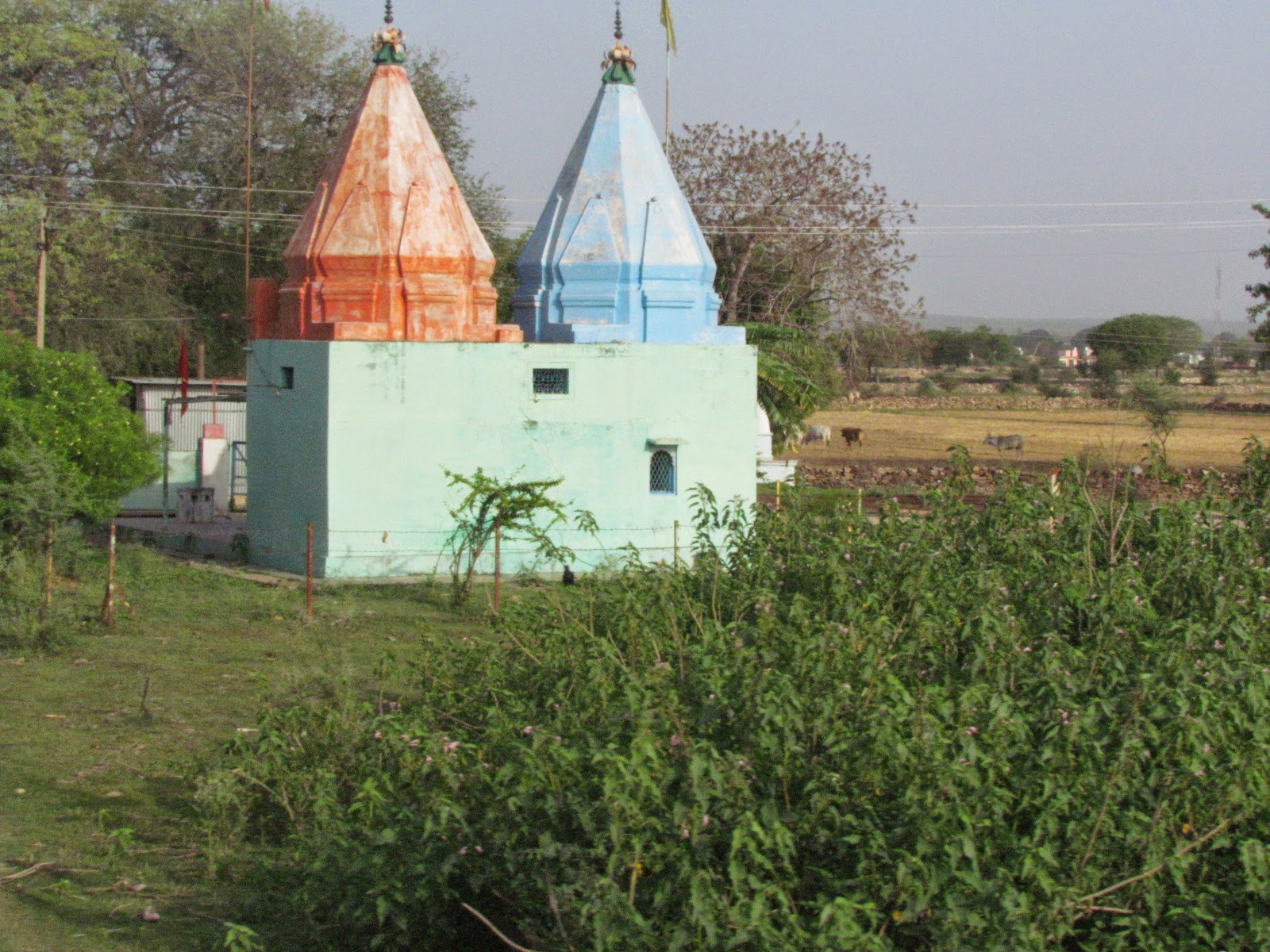
CHAMBAL TO SHIVPURI (MP) - RANDOM CLICKS FROM TRAIN WINDOW

Tuesday, 21 April 2015

CHAMBAL TO SHIVPURI (MP) - RANDOM CLICKS FROM TRAIN WINDOW

While travelling on train from Amritsar to Indore I had a mood for photography (on 19-4-15 for sometime). The following clicks are from Chambal the unique river of India which flows from west to east and falls in Yamuna near Dholpur. Flowing in opposite direction this river has high ravine hills all along its banks. These ravines are famous for house of the erstwhile decoits the dakus of Chambal.

Camera: CANON  SX 30 IS (Very effective zoom)


Initially there are some clicks from Chambal area then there are lives and landscapes near Shivpuri i.e train route from Gwalior to Shivpuri.

(During my journey from Delhi to Indore I felt a great pain for the innocent people. At every station the passengers would run here and there for water and sadly return, "Oh the queque was long, the train moved and I had to run. The railways are really a heartless organisation which can't meet the basic requirement of water to the passengers in the scorching heat. I suggest my respected Sikh sangats and gurdwaras to run chhabeel at every possible station. That will be a great service to the people)

86 images


A. THE GREAT CHAMBAL

The only river in India that flows north and north east


Because Chambal flows in opposite direction its flow is often much below the ground level. It thus forms ravine hills which have been infamous for the house famous decoits the dakus. Fullan Devi has been the legendary heroin.

Add caption


About 3-4 kms south of Chambal I find an old Mughal period structure may be a sort of inn. Dholpur, Morena, Bammore have been cities enroute Gwalior to Agra.


B. ENROUTE GWALIOR TO SHIVPURI

My camera captures a castle some 2-3 kms off the road. I wish i knew the name of village where it stands


Religion is always high on the indian mind

I mark development projects almost every where. The Govt seems working.


Banna the boundary of farms here is different. It is made up of hard stones. This is something strange for a Punjabi farmer

The village


Converting land into cultivable one is not an easy task here. Concrete and stones have to be shifted.

Shivpuri style of villages


A young Hindu hermit. Chatting with his connections: How can he remain indifferent to technology.


"This train passes twice a week, it is from the Sikh country," the women seem to say


Shivpuri kind of brick kilns


May be this is the first movement of bride from the village. She is going to pay obeisance to the village deity


THE ANCIENT BARA FORT IMAGES


VILLAGE SCENE


I AM DRESSING UP, YOU FACE THE OTHER SIDE 


SHIVPURI FOREST ARE REALLY RICH


DEVELOPMENT ABANDONED. MAY BE AFTER THE CHANGE OF GOVT.


Continue Reading | comments

DIALOGUE WITH YOGIS THE SIDH GOSHAT OF GURU NANAK

Friday, 3 April 2015

DIALOGUE WITH YOGIS THE SIDH GOSHAT OF GURU NANAK
When Guru Nanak came to this world, the spiritual horizon of Punjab was dominated by Nath and Sidh yogis. Organised into various sects the the Shiva devotee yogis considered meditation in a particular body posture as the path to union with Shiva. They would prefer some lonely place and would continute to focus on what ever thought came to their mind; suratt.  In this imagination they would try to reach the stage of nothingness. Their endevour had been to locate Tenth Passage (daswa dwar) to body. On several occasions Guru Nanak had talk with them and convinced them that their mode of worship which is devoid of praises to God was useless. Guru Nanak's bani Sidha Goshat (page 938 to 946) is especially devoted to this topic.  Guru Nanak revealed to them the concept of Nothingness (vacuum) in such a way that they abandoned the yoga path enmasse.
However in the 19th century some clever yogi devised a way to counter the philosophy of Guru Nanak. He preached yoga practice but with a few words of praises to God namely: Jot Niranjan, Onkar, Rarankar, Sohang, Satnam'.  He believed that that the utterance of these words in the initial stage of smadhi will help the yogi to attain higher concentration and there after the yogi has to follow his mind where ever it treads. He met a Sikh, Shiv Dyal of Agra and converted him to yogimat. Swami Shiv Dyal preached this concept on a large and organised scale.

Today there are large number of deras in Punjab and the readers will be surprised to note that most of the deras susbcribe to Swami Shiv Dyal's philosophy of uttering the shabads in the initial stages of smadhi and then give up shabad altogether. Even the Beas Dera of Radha Soamis and Sirsa Dera of Sauda Sadh subscribe to this philosophy.

In the forties and fifties Baba Kirpal Singh of Dera Beas authored a book 'Gurmat Sidhant' wherein he tried to mislead the masses with the notion that the Yogamat and Gurmat are one and the same. In the book he tried to define the Sikh terms by out of context quoting of Gurbani. Interestingly interpreting  the word naam  (i.e praises ) he said it means focusing of attention to ones inner self. By the word 'shabad' he meant the naad (which is infact the sound of heart beat one hears while in deep concentration). But Baba Kirpal had his own problems because in Sikhism there are such concepts as Sewa, Keertan, Langar, Amrit vela, Truth,  Ajoni, kirpan etc. But who can stop when one starts telling lies and he did n't and gave very funny definitions of Sikh terms. "Truth means innner truth, Amrit vela means inner time, keertan means inner music……. ha ha. 

But soon the falsehood of Baba Kirpal was exposed right in the Dera Beas and he had to flee from there and start his own gurudom at Karnal Road, Delhi. Govt of India did extend him support as usual.

Notwithstanding this the Dera Beas is still continuing to publish that misleading bogus book called Gurmat Sidhant.

The Sidh Goshat of Guru Nanak deals in details the without praises yogic concepts. 

Some more links on the subject:-


http://www.punjabmonitor.com/2013/05/radha-soamis-are-mischievously.html


http://www.punjabmonitor.com/2013/05/conspiracy-with-punjabis-yogi-deras.html


http://www.punjabmonitor.com/2013/05/dookh-rog-santap-utrey-disease-pain.html
Continue Reading | comments

REVEALED - SGPC UNDER CONTROL OF GOVT OF INDIA

Sunday, 15 March 2015

REVEALED - SGPC UNDER CONTROL OF GOVT OF INDIA
I have been writing for a long now how the Govt of India is secretly exercising control over apex Sikh body the Shromani Gurdwara Parbandhik Committee. But then people would laugh at me. Here is an important piece of proof of my vindication.
The issue is killing of the Nanakshahi calender which meant separate identity of Sikhs independent of Hinduism.
Yesterday SGPC issued a calender which is clearly Bikrami calender which the Sikhs all over world have been rejecting for a number defects in it. However the Govt of India was not happy with the revised calender the Nanakshahi because it meant independence of Sikhism.
The Chief of SGPC Jathedar Avtar Singh claims that he has been instructed by Akal Takhat to issue the calender whereas Akal Takhat Jathedar has clearly disowned it and says that it is SGPC which has sought issue of the calender.
My opponents might say that it is P.S.Badal who has instructed the SGPC to issue Bikrami calender but it is very clear that Badal like Avtar Singh is not any almanac expert.
So the cat is out of bag. It is clearly Govt of India under instructions from RSS that the SGPC has issued Bikrami calender under the misleading impression that it is Nanakshahi.
Be it known that the Govt of India has deliberately withheld the forming of house of SGPC elections for which were held in Sept. 2011. Even the results of the candidates were also declared.
Here is the news as published by Tribune


Continue Reading | comments

RUINS OF SURYA DEV TEMPLE MULTAN

RUINS OF SURYA DEV TEMPLE MULTAN

Shahid Shabbir visits the temple


If any building of West India finds most mentions in the ancient travelogues, it is the Sun God Temple of Mulasthan the Multan. It is mentioned by Greek visitors. Chinese traveler Heun Tsang did visit this. Here the image of  Sun- God was made up of wood but its plating was that of gold. It was profusely imbedded with precious stones. When Mohd Qasam invaded Sindh he plundered the temple but spared the main image. However as a mockery he hanged piece of cow beef on the image. The Muslim invaders used this temple as a tool of blackmail. Whenever any Hindu king would attack them they would threat of demolishing the temple. The 10 C visitor Al Beruni has written a detailed note on this temple. However soon Mehmood Gazanavi plundered and demolished the temple. Our friend Shahid Shabbir visited the remnants of this ancient temple. Some one might challenge as to the real  location of Sun-Temple of Multan but the base of walls of this structure are definitely old. Here we clearly see Kushan Era bricks, use of which was stopped around 1300 years ago.  I mention this because some people say that the original Sun Temple was located at some other site and that this one is Prahlad Temple. The image of deity was shifted to Haridwar in 1947. This temple was ransacked when the Hindus demolished Babri Masjid of Ayudhia.

ਮੁਲਤਾਨ ਦਾ ਸੂਰੀਆ ਮੰਦਰ
ਉਤਰ ਪੱਛਂਮੀ ਭਾਰਤ ਦੀ ਕਿਸੇ ਸਭ ਤੋਂ ਪੁਰਾਣੀ ਇਮਾਰਤ ਦਾ ਜੇ ਕਿਤੇ ਜਿਕਰ ਆਉਦਾ ਹੈ ਤਾਂ ਉਹ ਸੂਰਜ ਮੰਦਰ ਮੁਲਤਾਨ ਦਾ ਹੈ। ਯੂਨਾਨੀਆਂ ਨੇ ਇਹਦਾ ਜਿਕਰ ਕੀਤਾ ਹੈ। 7ਵੀ ਸਦੀ ਦਾ ਹਿਊਨ ਸਾਂਗ ਇਥੇ ਆਇਆ ਸੀ। ਇਥੇ ਸੂਰਜ ਦੇਵ ਦੀ ਮੂਰਤੀ ਅੰਦਰੋ ਲੱਕੜ ਜੜ੍ਹੀ ਪਰ ਉਪਰੋ ਸੋਨੇ ਦੇ ਪਤਰਿਆਂ ਵਾਲੀ ਸੀ।ਜਿਸ ਤੇ ਹੀਰੇ ਜਵਾਹਰਾਤ ਜੜੇ ਹੋਏ ਸਨ। ਮੰਦਰ ਦੀ ਅਮੀਰੀ ਦੀਆਂ ਧੁੰਮਾਂ ਦੂਰ ਦੂਰ ਤਕ ਸਨ। 8ਵੀ ਸਦੀ 'ਚ ਜਦੋਂ ਮੁਹੰਮਦ ਕਾਸਮ ਨੇ ਸਿੰਧ ਜਿਤਿਆ ਤਾਂ ਮੰਦਰ ਤੋਂ ਮੋਟੀ ਰਕਮ ਲੈ ਗਿਆ। ਮੰਦਰ ਤਾਂ ਭੰਨਿਆਂ ਨਾ ਉਸ ਨੇ, ਪਰ ਮਖੌਲ ਵਜੋਂ ਮੂਰਤੀ ਦੇ ਗਲ ਵਿਚ ਗਾਂ ਦਾ ਸਿਰ ਪਰੋ ਕੇ ਪਾ ਦਿਤਾ। ਉਸ ਤੋਂ ਬਾਦ ਮੁਸਲਮਾਨ ਹਮਲਾਵਰ ਮੰਦਰ ਨੂੰ ਢਾਲ ਵਜੋਂ ਵਰਤਦੇ ਆਏ। ਜਦੋਂ ਵੀ ਕੋਈ ਹਿੰਦੂ ਰਾਜਾ ਉਨਾਂ ਤੇ ਚੜ੍ਹ ਕੇ ਆਉਦਾ ਤਾਂ ਉਹ ਧਮਕੀ ਦੇ ਦਿੰਦੇ ਭਈ ਅਸੀ ਮੰਦਰ ਢਾਹ ਦਿਆਂਗੇ। 10 ਸਦੀ ਦੇ ਅਲ ਬਰੂਨੀ ਨੇ ਵੀ ਇਸ ਮੰਦਰ ਦਾ ਜਿਕਰ ਕੀਤਾ ਹੈ।ਪਰ ਓਦੋਂ ਹੀ ਮਹਿਮੂਦ ਗਜਨਵੀ ਨੇ ਮੰਦਰ ਲੁਟ ਪੁਟ ਲਿਆ ਤੇ ਤਹਿਸ ਨਹਿਸ ਕਰ ਦਿਤਾ। ਸ਼ਾਹਿਦ ਸ਼ਬੀਰ ਇਤਹਾਸਿਕ ਮੰਦਰ ਦੇ ਖੰਡਰਾਂਤ ਦਿਖਾ ਰਿਹਾ ਹੈ। ਮੰਦਰ ਦੀਆਂ ਨੀਹਾਂ ਵਿਚ ਕੁਸ਼ਾਨ ਸ਼ਾਹੀ ਇੱਟ ਵਰਤੀ ਸਪੱਸ਼ਟ ਨਜਰ ਆ ਰਹੀ ਹੈ ਜਿਸ ਦੀ ਵਰਤੋਂ 1300 ਪਹਿਲਾਂ ਬੰਦ ਹੋ ਗਈ ਸੀ। ਸੋ ਇਹ ਸਪੱਸ਼ਟ ਹੈ ਕਿ ਮੂਲਸਥਾਨ (ਮੁਲਤਾਨ) ਦਾ ਇਹੋ ਹੀ ਇਤਹਾਸਕਿ ਸੂਰਜ ਮੰਦਰ ਹੈ। ਇਹ ਮੈਂ ਇਸ ਕਰਕੇ ਜਿਕਰ ਕੀਤਾ ਹੈ ਕਿ ਕਈ ਲੋਕ ਮੰਨਦੇ ਹਨ ਕਿ ਅਸਲੀ ਸੂਰਜ ਮੰਦਰ ਕਿਤੇ ਹੋਰ ਹੁੰਦਾ ਸੀ। ਇਸ ਮੰਦਰ ਦੀ ਮੂਰਤੀ 1947 'ਚ ਹਿੰਦੂਆਂ ਨੇ ਹਰਦੁਆਰ ਲੈ ਆਂਦੀ ਸੀ। 1992 'ਚ ਜਦੋਂ ਬਾਬਰੀ ਮਸੀਤ ਢਾਹੀ ਗਈ ਓਦੋ ਪਾਕਿਸਤਾਨ ਦੇ ਕਈ ਮੰਦਰ ਢਾਹ ਦਿਤੇ ਸਨ ਜਿੰਨਾਂ ਵਿਚੋਂ ਇਕ ਇਹ ਵੀ ਹੈ।

In the sanctum sanctoriaum. Specialists may mark the presence of Kushan era bricks  

Shahid pointing towards the Sun Temple shikhar of which was demolished in 1992


Continue Reading | comments

NISHAN SAHIB - FROM BLUE TO SAFFRON

Thursday, 12 March 2015

NISHAN SAHIB - FROM BLUE TO SAFFRON


According to Varnashram (casteism) rules of Hinduism shudra (the low caste) can only wear ornaments of iron and is strictly prohibited to wear copper, silver and gold. Similarly the Shudra can't wear red or saffron, golden or white garments. The colour prescribed for shudra is blue. Even cultivation of neel is prohibited for upper caste farmers. Sikh Gurus identifying themselves with the downtrodden thus prescribed iron bangle for Sikhs and blue colour the official garment for Sikh armies and flag of blue colour. Due to high influence of deredars (half Hindu half Sikh saints) today the colour of Sikh standards stands altered to saffron whereas no Sikh code of conduct allows saffron standard. Saffron flag is thus a symbol of subjugation of Sikh institutions under RSS. Also the Congress unit of Punjab deliberately encouraged saffron because with blue colour the Akali party would get political mileage. Would you believe Akali Dal passed a resolution in 1932 opposing Tiranga of Congress because 'It doesn't include Sikh colour'. And today the Akali Dal has altered its own flag from blue to saffron. ONLY BECAUSE MASSES ARE IGNORANT. LET US ALL SHARE THIS MESSAGE.

-------------------------------------
M.K.Gandhi approved the following flag  for India in 1921.  It was originally designed by Pingali Venkayya an Andhra youth.


Shromani Committee opposes Indian Flag. Here is the resolution passed on Aug 30, 1930.


Please also see the following articles:

TOHRA CHANGES THE COLOUR OF SIKH STANDARD
http://www.punjabmonitor.com/2013/04/tohras-treason-of-turban-tribe-2-sikh.html

And
BLUE IS THE SIKH COLOUR NOT SAFFRON
http://www.punjabmonitor.com/2013/08/blue-is-sikh-colour-not-saffron.html


Continue Reading | comments

THE ROOTS OF VILLAGE NAMES IN PUNJAB -Article in Punjabi

Tuesday, 10 March 2015

THE ROOTS OF VILLAGE NAMES IN PUNJAB- Article in Punjabi


Gulam Mustapha Dogar a Pakistani writer living in UK has discovered the roots, the principles underlying the naming of a village. After reading his article one will know why a certain name ends with 'Pur' 'Garh' 'Kot' 'Nangal' etc. He informs us why there are Talwandis, Pandoris, Wadalas, Winds, Panj Grais, Dokohas, Satkohas, Daskas,  Aana or Jaana, Miani etc. We feel the principle determined by Mustapha might not only be pertaining to Punjab villages but most villages in India, Pakistan and may be Bangladesh. We wish someone translates this beautiful article in English.
The Article has been published by Ajit daily of Jalandhar in instalments.


Continue Reading | comments (1)

LITERACY RATE IN KHALSA RAJ WAS BETTER THAN U.K - DR. LEITNER

Sunday, 8 March 2015

LITERACY RATE IN KHALSA RAJ WAS BETTER THAN U.K - DR. LEITNER

The East India Company officer records that the vernacular education system was systematically destroyed by the British. Records that the Sikh Maharaja spent more on education than what the British were spending. Khalsa Raj had the
literacy rate of 0.55% which was more than that of UK. Says every mosque, temple and gurdwara had a school attached to it. The school was not allowed to have more than 50 students in a class. There were 576 schools in Lahore district while Sialkot topped in education. The British imposed ban on vernacular education and burnt school primers and other books. We feel even the attitude of the Congress Govt of free India towards Punjab has not been different from the British. Punjab which stood at 4th place in literacy rate (1951)has been reduced to 21 place now (2011). Here is the article on Dr. Leitner which was published by Dawn of Lahore. 

Destruction of schools as Leitner saw them

FROM THE DAWN NEWSPAPER LAHORE— PUBLISHED OCT 31, 2010 12:00AM

http://www.dawn.com/news/577448/destruction-of-schools-as-leitner-saw-them
    
The notion that with the fall of the Sikhs in 1849 the British East India Company ushered in the 'modern age' in the Punjab, especially in Lahore, is one that we need to revisit. What went wrong, and remained wrong subsequently, is a subject that we all need to reconsider.

When the Lahore Khalsa Darbar collapsed, the EIC, thanks mainly to the Lawrence brothers, set about trying to win over the Punjabis, especially the Sikhs. There was a cogent reason for this. The EIC, after a survey, discovered that education in Lahore, and the Punjab, was far superior to the education the British had introduced all over 'conquered India'. In Lahore alone there were 18 formal schools for girls besides specialist schools for technical training, languages, mathematics and logic, let alone specialised schools for the three major religions, they being Hinduism, Islam and Sikhism. There were craft schools specialising in miniature painting, sketching, drafting, architecture and calligraphy.

The Company concluded that the Punjabis were years ahead in the field of education than the so-called 'enlightened' Europeans. Every village in the Punjab, through the Tehsilar, had an ample supply of the Punjabi 'qaida', which was compulsory for females. Thus, almost every Punjabi woman was literate in the sense that she could read and write the 'lundee' form of Gurmukhi. To overcome this, and yet keep the Punjabis 'in line', a deliberate campaign to burn all Punjabi 'qaida' was planned. The events of 1857 provided them this opportunity, even though it was because of the 'loyalty and sacrifices' of the Punjabis that the British regained India.

But how did the British rulers, now formally under the Crown after the EIC was dislodged after becoming bankrupt because of expense incurred in 1857, gauge the situation? Here we have an amazing book from the legendary

(Gottlieb Wilhelm Leitner or Gottlieb William Leitner M.A., Ph.D., L.L.D., D.O.L. (14 October 1840 – 22 March 1899) was a British)
http://en.wikipedia.org/wiki/Gottlieb_Wilhelm_Leitner

 G.W. Leitner, the founder of Government College, Lahore, and the Punjab University and undoubtedly one of the world's greatest ever linguist, who studied 'Indigenous Education in the Punjab' in amazing detail in 1882.
  • History of indigenous education in the Punjab since annexation and in 1882. Calcutta 1882. Reprint Delhi: Amar Prakashan, 1982
His conclusions make much better sense today, for they were ignored by the British during the years of their rule. Not that we today care for what the great man said then, yet it seems sensible to bring the matter to our readers' attention.

In the 'Introduction' to his original 1882 publication, he starts off by stating: “… in spite of the best intentions, the most public-spirited officers, and a generous Government that had the benefit of the traditions of others provinces, the true education of the Punjab was crippled, checked and nearly destroyed … our system stands convicted of worse than official failure”. The Punjab has this tradition whereby the “most unscrupulous chief, the avaricious money-lender, and even the freebooter, vied with the small land-owner in making peace with his conscience by founding schools and rewarding the learned. There is not a mosque, a temple, a dharmsala that had not a school attached to it”.

This network the British set out to destroy. In the carnage of revenge that followed 1857, the British made it a special effort to search every house of a village and to burn every book. Even in the secular schools of Lahore which used Persian or 'lundee' as the medium of instruction, books formed the major bonfire than the British troops 'cleansed' the area. Leitner claims that before 1857 the Punjab had an estimated computation as he called it, 330,000 pupils learning “all the sciences in Arabic and Sanskrit schools and colleges, as well as Oriental literature, Oriental law, Logic, Philosophy and Medicine were taught to the highest standard”. Leitner claimed that after the events of 1857 the Punjab, by 1880, had, again a computed estimation, just 190,000 pupils. He says an entire tradition, far superior to what Europe had to offer, was destroyed.

To explain his claim, Leitner quotes from the Punjab Administration Report for 1849-51, paragraph 377: “The Musalman schools are nearly all connected with the village mosque, where the land is rent-free … the endowments are secular and religious to support temples, mosques, schools, village-inns … more of a monastic character”. An extract of report No. 335, 6th July, 1857, reaches the conclusion: “That elementary, and sometimes high, oriental classical and vernacular education was more widespread in the Punjab before annexation than it is now”. The report concludes that the events of 1857 destroyed the huge endowments that kept this 'magnificent educational system intact'.

Here an amazing table brings the assertions of Dr. Leitner to the fore in his claim that the Punjab, and especially Lahore, was better off educationally in the days of Maharajah Ranjit Singh than in the British days before 1882, when his research was published. It shows that total revenue collected by Ranjit Singh in his last years, say 1838-9 as equalling 1.85 million pounds. The British managed 1.45 million pounds. Then comes the stunner. “The Sikh ruler, as a percentage, spent more on education than the Company from the revenues collected.”

In the Lahore District report of 1860, we see that it had 576 formal schools where 4,225 scholars taught. This being the case, if Lahore had so many scholars (teachers) in the year 2010, it could again become a 'first world' educational city and district. Dr. Leitner provides still more statistics. He says 41.3 per cent learn the Quran, 37.0 per cent learn Persian and Urdu, 8 per cent learn Nagri, 6.7 per cent learn Gurmukhi and 7 per cent learn Hindi or debased Nagri. “The teachers are all paid in grain by the local landlords, who also send in daily rations.” Special mention has been made of the extra amounts of grain sent to teachers in Sialkot. This probably explains the qualitative edge that Sialkot education has always maintained. Its manifestations in Iqbal and Faiz can easily be seen.

It would be of interest for us today to understand the schools of Lahore of those days. Schools opened from 7am and closed at midday. In no case was a class allowed to exceed 50 pupils. If any report of this number came forward, the 'Subedar' would send soldiers to arrest the teacher for trying to 'destroy the future of our children'. Imagine! Can we ever imagine such care and love today.

Inside the walled city all the schools have been described in great detail. For example the Kashmiri Bazaar Mosque School had a teacher by the name of Allah Jewaya who taught the Quran and all subjects in Arabic. The Kucha Chabaksawaran School had a teacher by the name of Muhammad Abdul Aziz who taught in Persian and Arabic. In the nearby mosque of Faizullah, the teacher was Mahmood the Eunuch, who excelled in Persian and Arabic, and taught pupils how to learn the Quran by heart. In the advanced Arabic school in the Anarkali Mosque taught Maulvi Nur Ahmed, who taught grammar, logic, Muslim law and mathematics. In Suttar Mandi School taught Pandit Gauri Shankar, who taught mathematics, logic, medicine and Puran literature.

It is very clear that Lahore in the dying days of the Lahore Khalsa Darbar and the years before 1857 had a first rate educational system that was far superior to what the British had to offer. What amazes one the most is the fact that women were more educated than men, and this, Dr. Leitner observes, is what made sure that with every passing year, the literacy rate increased. Once this stopped, it progressively declined. What we are today is for all of us to think about. My way of measuring literacy, given the bias that a journalist would have, is the number of newspapers sold every day. In Pakistan the number barely crosses one million. For a population of 180 million, this means a Functional Literacy Rate of 0.55 per cent. Need one say more? The destruction continues.

A few years ago through this column we requested the Punjab government to rename Kutchery Road - from the District Court crossing to Nila Gumbad-Anarkali crossing - as Leitner Road. A 'bright' bureaucrat observed on the request “no one knows of this strange man”. Shahbaz Sharif agreed and dropped the request. I am not surprised. Luckily, he is not part of the 0.55 per cent figure, though he attended the institution Leitner founded.

Present Literacy Position of Punjab:
https://blogger.googleusercontent.com/img/b/R29vZ2xl/AVvXsEjVGcrfx6dQ_WXM5j0p40F49nW491D5bkYFHCjcqxno8u8c_1UteDdjNtpWVOK_lnBoOdzs2LQtdU-o5HeGtQ9JYbcAskhi8MbFi7vCGyDOtmpYM43Da_Takyg1JpvJ5FVLBWTpJ6w9xeo/s640/6.+Literacy+Ranking.jpg
Continue Reading | comments

VADH BACHEY

What's New?

Issue 8

Issue xix


Punjab Monitor